Top 5 Facilities Management Trends to Watch in 2026

Facilities management has been navigating a landscape of rapid and ongoing changes over the past decade. From the rising operational costs to tightening compliance requirements and the accelerated application of digitalisation; facilities teams operating across Australia have reshaped, having undergone significant changes.
In 2026 this industry is entering a stage of maturity. The structural shifts that once dominated the conversation are no longer novel experiments, but are instead necessities. Consequently the challenges for facility managers have evolved. It is no longer an issue of adoption but about optimisation: how to make facilities, systems, and services deliver their value effectively in this new era.
Nowadays facilities management is regarded as a strategic function, with its influence extending far beyond the realm of building operations. The decisions made by the facility management team now constitute key factors in enhancing cost efficiency, optimising organisational risk conditions, improving sustainability performance, and enhancing user experience.
As digital adoption grows facilities managers are now also the guardians of sensitive data and information security. Yet, while expectations continue to rise budgets remain under pressure. In such an environment, clarity is critical. Understanding the trends of facility management in 2026 is the key to building operations that are resilient, efficient, and future-ready. Here are the five definitive shifts that shape this sector.
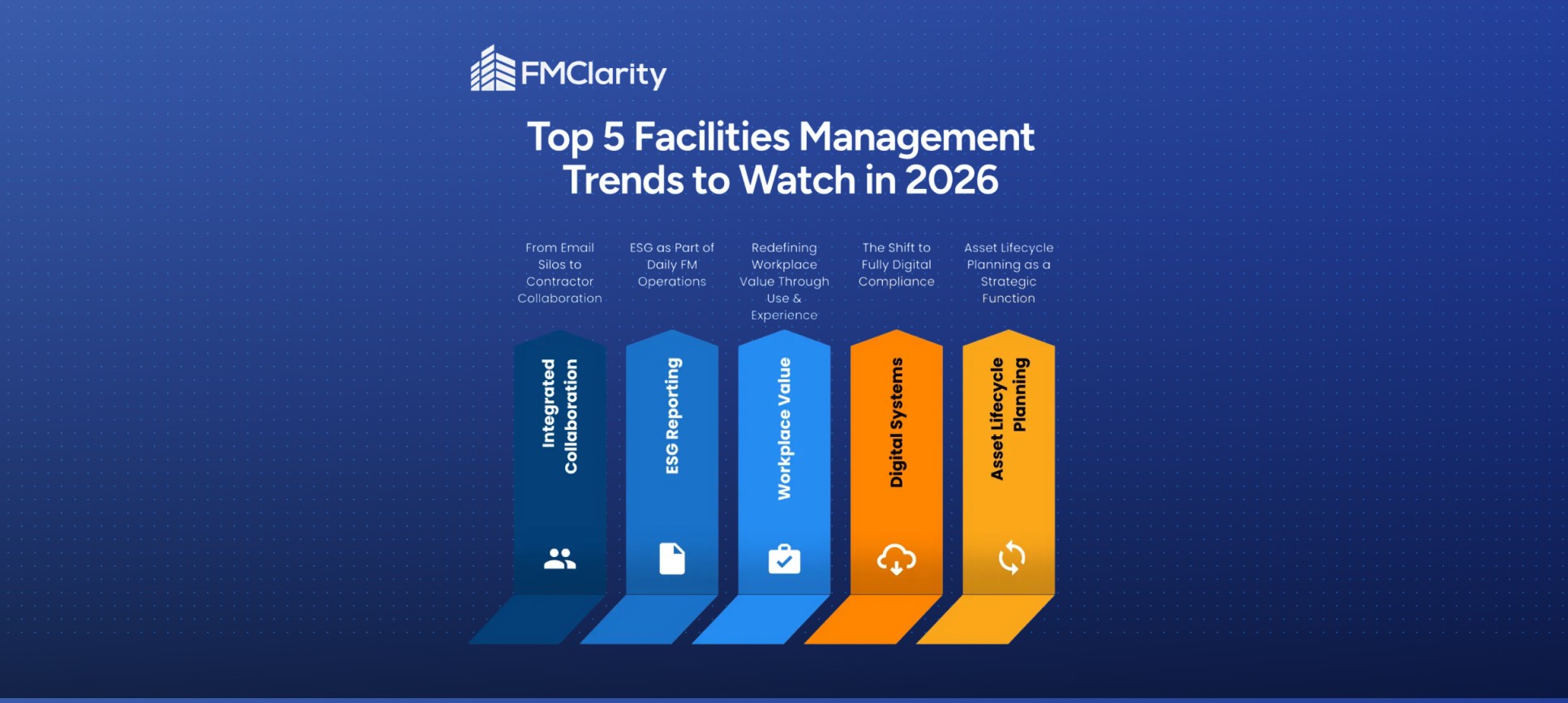
Contractor Management Shifts from Segmented Emails to Integrated Collaboration
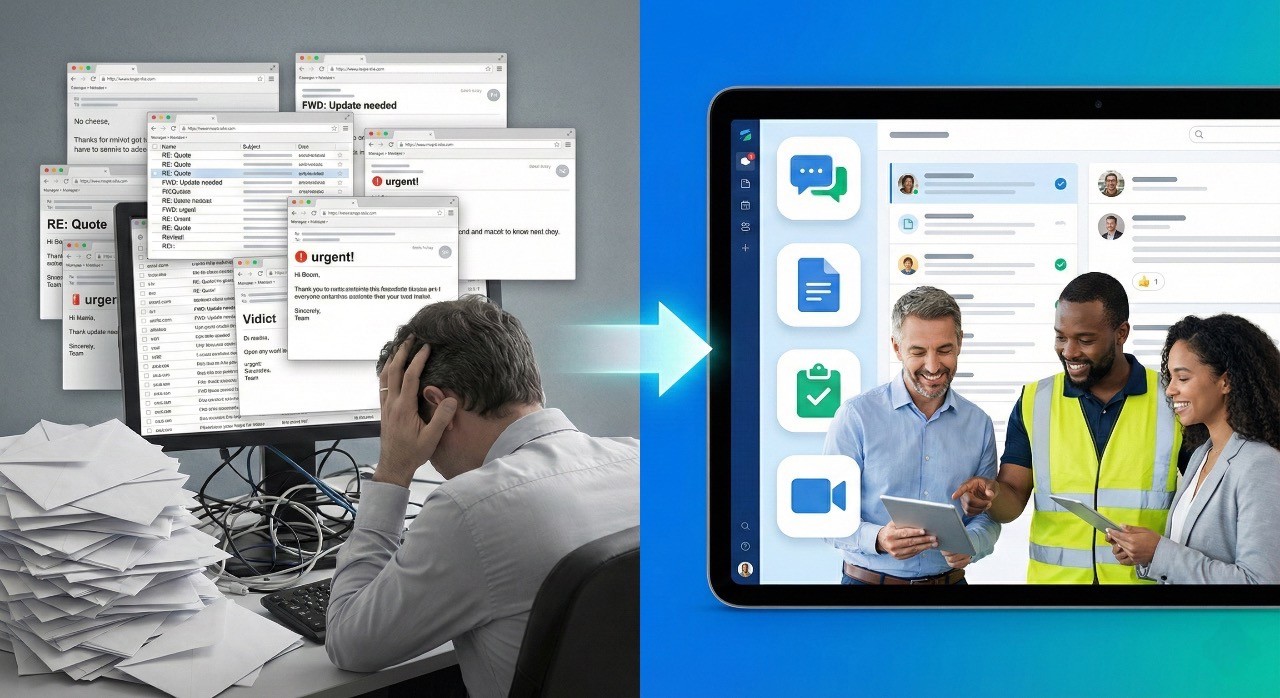
For decades, facilities teams have managed suppliers through chaotic email chains, phone tags and fragmented spreadsheets. This lack of transparency often leads to operational delays, creating excessive administrative effort that can be tracked by a single task. By 2026, this disjointed model will be replaced by a fully integrated contractor ecosystem.
In a mature facility management environment, contractors are no longer regarded as disconnected third-party providers; instead, they are directly embedded into the FM platform. This transformation enables real-time collaboration allowing work orders, status updates, and compliance documents to be shared instantly in a single, transparent digital space.
The driving force behind this transformation is to enhance operational efficiency. Due to the persistent impact of the labour shortage on the Australian market, facility managers cannot waste time chasing after updates. Integrated platforms feature functions such as receiving tasks via mobile devices, verifying on-site attendance, online chat and incorporated communication, and providing instant photos to check status. This eliminates the "black hole" in team communication so that facility managers, tenants, and contractors are always on the same page.
Success in this field does not rely on complex automated technologies, but on connectivity. This requires a system that is sufficiently intuitive so that busy tradespeople can use it on mobile devices without the need for extra training, transforming the contractor network from an administrative burden into a seamless extension of the FM team.
ESG Reporting Becomes Embedded in Facilities Operations
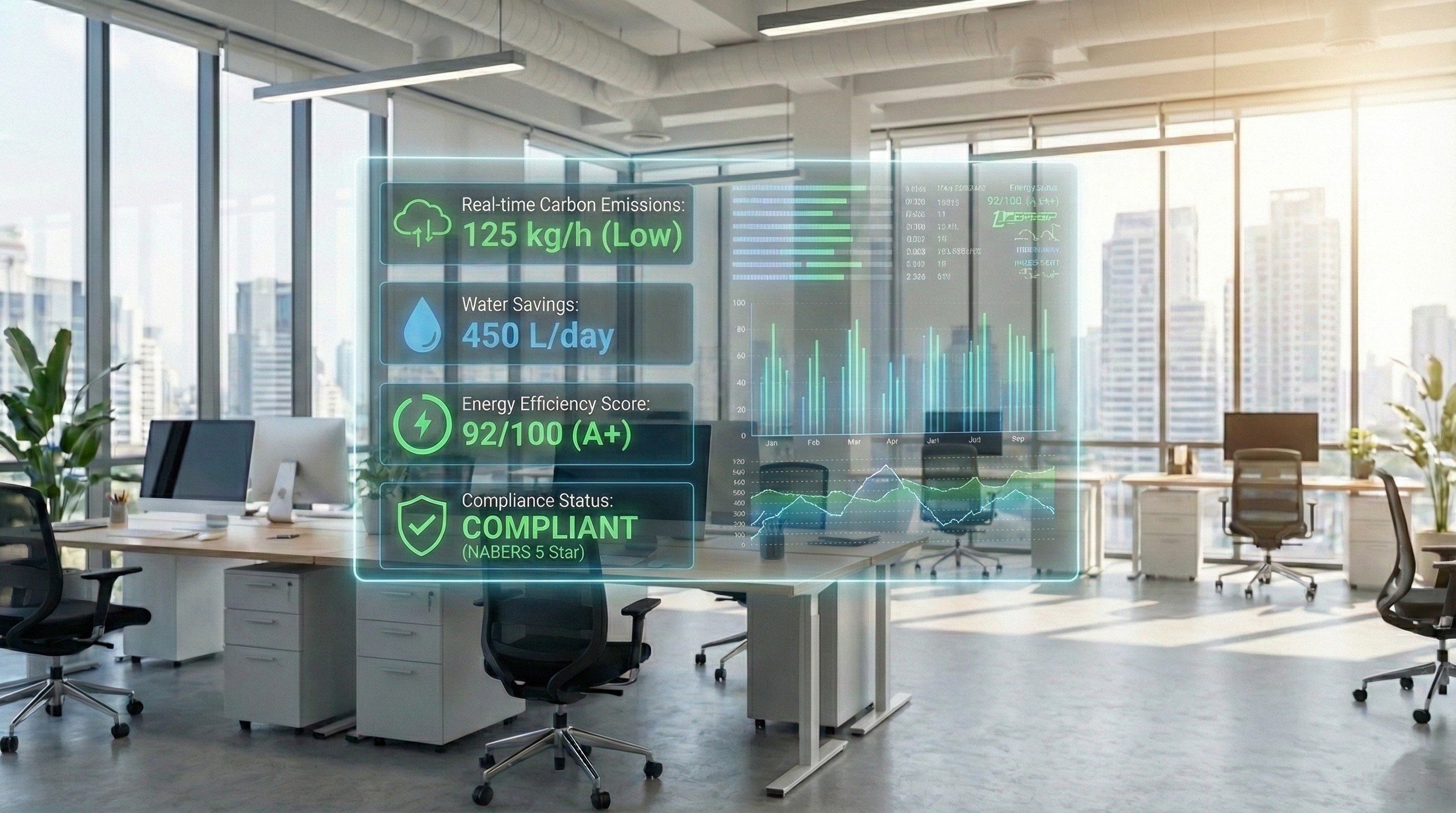
In 2026 sustainable development is no longer regarded as an independent initiative or a post-event marketing campaign in an annual report. Instead, ESG (Environment, Society and Governance) factors have firmly embedded themselves into daily operational responsibilities for facilities management teams. This fundamental shift was mainly driven by the full implementation of the Treasury Laws Amendment (Financial Market Infrastructure and Other Measures) Act 2024. According to the new ASRS (Australian Sustainability Reporting Standards), organisations now have to undergo stricter and standardised reviews, and the vague "green goals" have been replaced by mandatory and auditable financial disclosures.
This means that the pressure to provide accurate data has shifted directly to facilities managers. A large amount of data required for these strict reports, ranging from energy intensity (Scope 1 and 2 emissions) and water usage to waste diversion rates and indoor environmental quality, all originate directly from building operations. As a result, facility managers are not only recognised as operators but are also considered the main guardians of ESG data.
This act has led to a transformation away from relying on annual water and electricity bills or manual estimations, towards continuous monitoring and real-time data collection. Organisations are seeking timely insights to understand environmental performance, so that they can immediately identify and improve inefficiencies when they arise, rather than waiting months later for an assessment.
In such a high-stakes environment, relying on fragmented spreadsheets or isolated systems will create serious governance risks. A single error in the spreadsheet is no longer an administrative mistake; it may trigger compliance audit issues. Consequently, facility managers are adopting integrated digital platforms to provide accurate, auditable and transparent data records.
A facilities management team's main goal in 2026 should be to integrate data rigour with usability, ensuring that complex ESG tracking becomes an inherent part of daily operations rather than an additional burdensome administrative task on top of a busy workload.
Workplace Value Is Redefined Through Experience and Utilisation
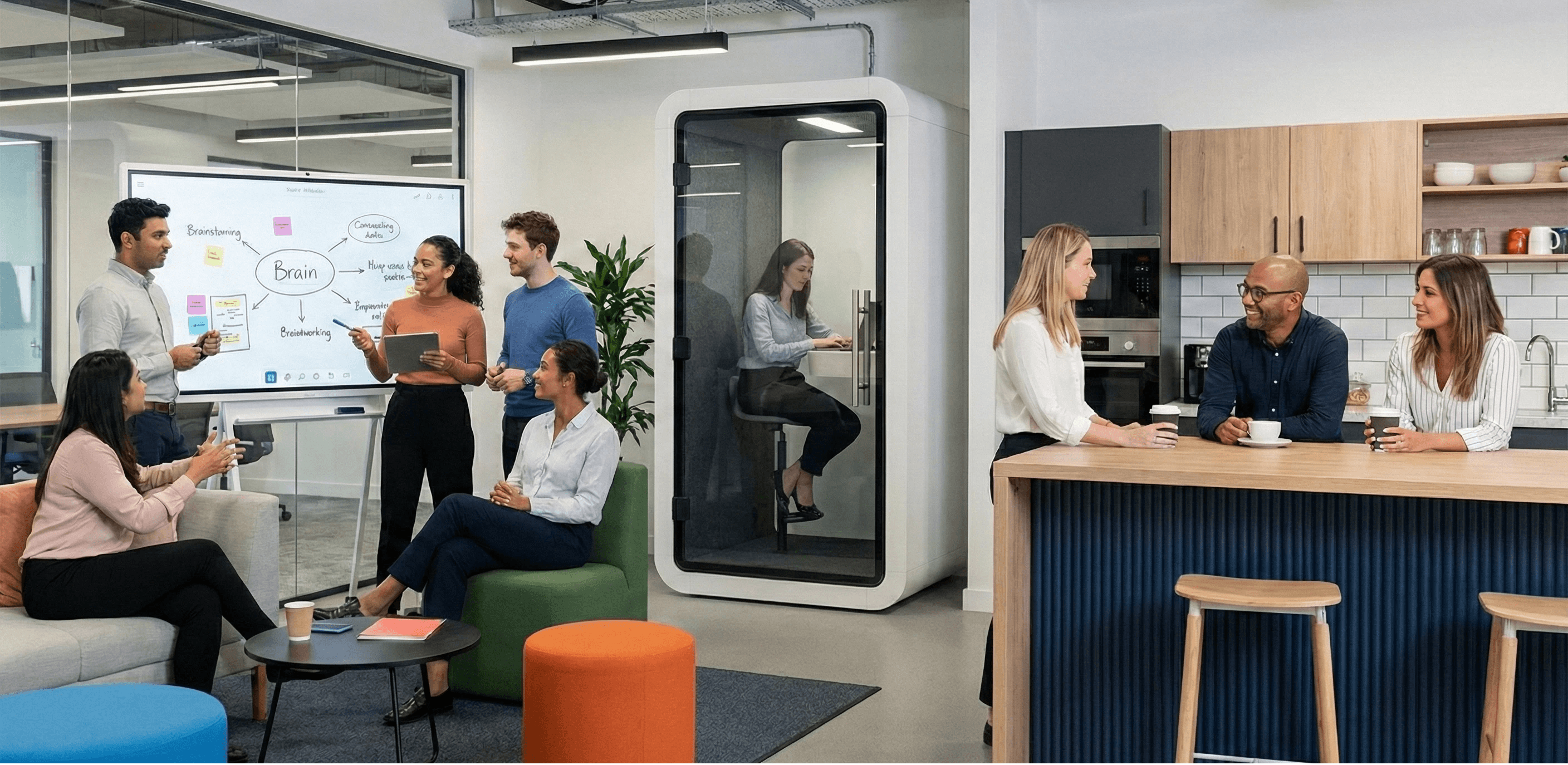
Rather than focus on how often people attend the workplace, a shift has been made toward thinking about how effectively physical spaces deliver value when they are used. Especially as flexible and hybrid work arrangements are now a stable operating condition phase.
More and more organisations are now evaluating and arranging their workplaces based on factors of experience, utilisation rate and effectiveness. The quality of everyday interactions, such as booking meeting rooms, logging maintenance requests or receiving updates, plays a significant role in this perception.
A seamless and well-managed environment is not only aesthetically pleasing, but more importantly can directly enhance the work efficiency of employees and eliminate various obstacles in the work process. When environmental factors such as temperature, air quality, and cleanliness are optimised, employees will reduce distractions and be able to fully devote themselves to their work. The office transforms from a passive backdrop to an active driver of efficiency, providing employees with a superior working environment that signals to staff their well-being is valued.
For facilities managers, this represents an evolution in their responsibilities. Maintaining the physical environment remains crucial, but the way services are provided and the user experience have become equally important. Digital platforms that support mobile access, transparent communication, and consistent service delivery have now become central factors in workplace performance.
By 2026, enhancing the value of the workplace will be about eliminating obstacles. Intuitive and user-friendly facility systems help ensure that spaces remain attractive, functional, and consistent with organisational goals.

Compliance Management Fully Transitions to Digital Systems
Compliance requirements in various industries (such as aged care, education and healthcare) are continuing to intensify. In 2026 the margin for error will be significantly narrowed, and with very limited tolerance for missing documents, expired certificates or incomplete records.
The traditional compliance approach based on paper documents, spreadsheets and manual reminders is being regarded as a high-risk model. As audits become more frequent and detailed, organisations are adopting digital compliance management systems to enhance reliability and reduce risk exposure.
Digital compliance systems enable facilities managers to centrally manage records, track inspections and certifications, and receive automatic alerts before problems occur. These systems can create clear and timestamped audit records, simplify the inspection process, and provide assurance to regulatory agencies and stakeholders.
Beyond risk reduction, this shift delivers operational benefits. When compliance information is accurate, accessible and up to date, facilities teams spend less time searching for documents or responding reactively to audit requests. This frees capacity for more proactive management and continuous improvement.
Digital compliance is no longer seen as an optional additional feature in 2026. Instead, it is a necessary fundamental requirement for effective operation in a regulated environment.

Asset Lifecycle Planning Becomes a Strategic Discipline
Asset lifecycle planning has become data-led and strategic in 2026. Facilities management teams have traditionally been responsible for the maintenance and replacement of assets, but the way these decisions are made has undergone significant changes.
Historical maintenance data, operating costs, performance trends, and risk indicators are used to assist in making decisions regarding maintenance and replacement, upgrade timing, and capital investment. This approach enables more accurate predictions and helps align operational needs and financial planning.
As budgets remain under pressure this year, the ability to demonstrate long-term value has become crucial. Data-driven lifecycle planning enables facilities managers to clearly articulate the total cost of ownership, efficiency gains and risk reduction associated with different solutions. This transformation has also strengthened the role of facilities management within the organisation. When suggestions are supported by sufficient evidence, FM teams are better positioned to engage with finance and leadership as strategic partners rather than cost centres.
Achieving this level of insight requires consolidation. Fragmented systems make it difficult to comprehensively understand the operation and costs of assets. However, an integrated platform can support clearer analysis, more powerful decision-making, and more confident long-term planning.

Looking Ahead: Integration, Simplicity and Local Expertise
While these five trends address different aspects of Facilities Management, they are united by a common challenge: Complexity.
Facility operations have become and will continue to become increasingly complex, but the facilities management team often struggle with complex, outdated or fragmented tools. Predictive maintenance, ESG reporting, and strategic planning all rely on systems that the team can actually use daily without extensive training.
This is particularly important as the industry is facing a talent gap. From a developing society’s perspective, the new generation requires tools that can bridge the gap between technical complexity and user-friendly design. This is where digital platforms play a critical role. FM managers need a solution that is intuitive, practical, and supported by a local team that deeply understands Australian regulations.
In 2026, the criteria for measuring the success of an organisation will no longer be based on the number of systems it has adopted, but on whether these systems can effectively support daily operations and long-term stability. For facilities managers, the coming future will be an opportunity to move beyond managing constant change and toward sustained optimisation.