What is a CMMS and Why You Need It For Facilities Management

The role of a facility manager has never been more demanding. Today's property and facility managers not only have to be responsible for keeping the lights on, but also need to manage complex multi-site project portfolios, ensure strict compliance with regulatory requirements, supervise the performance of contractors, and reduce operating costs. In 2026, attempting to handle this delicate balance through a fragmented mix of spreadsheets, endless emails, and paperwork orders has become a major operational and financial risk.
As economic pressures drive the demand for higher efficiency, and as industries such as commercial real estate, healthcare, and aged care have also strengthened compliance regulations, the tools we use must be improved accordingly. Solving these compounding challenges and operational gaps is exactly what a Computerised Maintenance Management System (CMMS) is designed for. Taking a strategic approach to facilities management software is a key way to ensure that your asset portfolio is future-ready.
What is a CMMS?
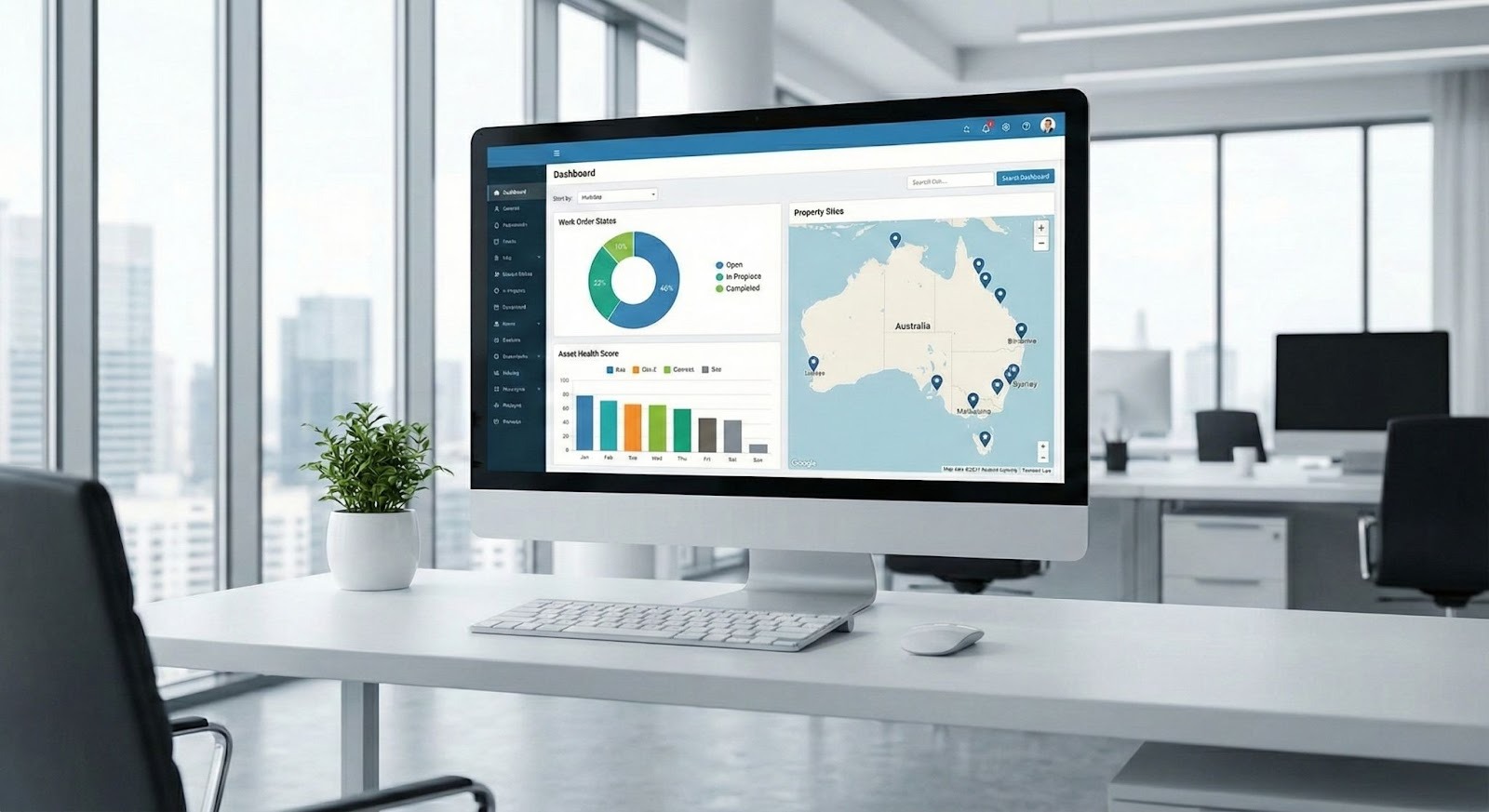
Computerised Maintenance Management System (CMMS), often used interchangeably with Facilities and Asset Management Software (CAFM), is a centralised, cloud-based platform designed to simplify, automate, and optimise all aspects of facilities management. Instead of waiting for critical assets to fail or searching in an overflowing inbox for a contractor's insurance certificate, modern CMMS acts as a centralised master database.
By integrating all facility data into a single and secure environment, this platform empowers property managers, on-site facility personnel, finance departments, and external service providers to operate from a unified, real-time perspective. Each stakeholder can access the same work order documents, the same asset history records, and the same compliance requirements, eliminating communication inefficiencies and administrative friction that previously afflicted facility maintenance work.
Although traditional software often has a steep learning curve and requires a lengthy onboarding training period to be used smoothly, the right CMMS platform stands out when it uses an intuitive and user-friendly interface. Recent industry data has identified that if front-line employees encounter obstacles when adopting software, then it is often left unused and ultimately provides no value to an organisation. A powerful modern platform should achieve seamless, end-to-end work management without any operational obstacles, where anyone within the facility can immediately initiate a work request by following simple steps.
Today’s advanced platforms unlock truly dynamic asset lifecycle management. In the past, deploying facility management systems required months to input a large amount of resource-intensive data to categorise thousands of assets before the system could be used. In contrast, modern CMMS platforms allow organisations to dynamically build their asset register while performing maintenance work. By applying identification frameworks such as the Victorian Building Authority's VBIS standard, organisations can accurately understand the lifecycle of assets in real-time based on on-site data. This organic data integration can seamlessly integrate with contractor management procedures, securely archiving ABNs, trade licences, and Safe Work Method Statements (SWMS), and automating financial approval workflows to significantly reduce administrative overhead.
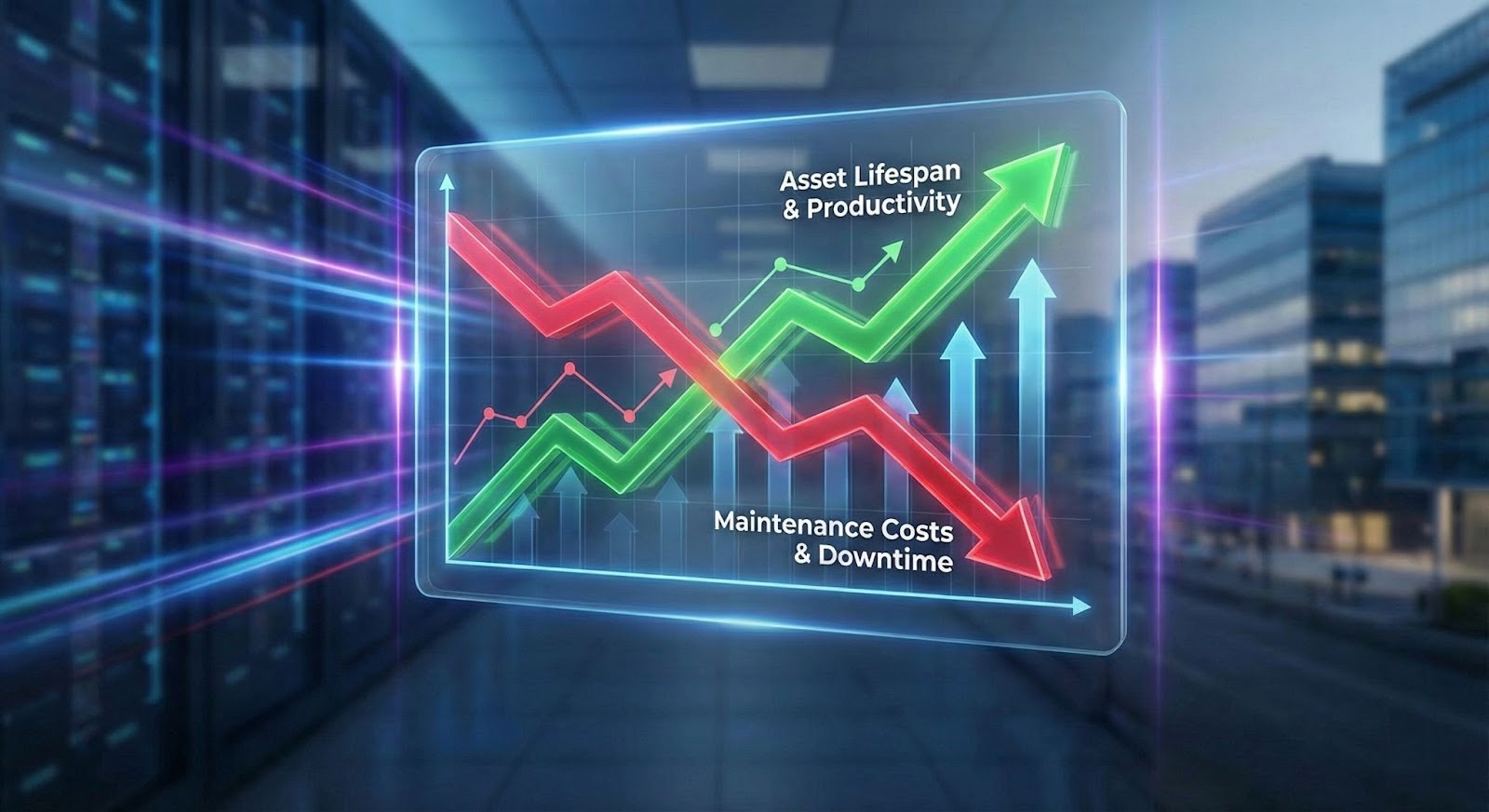
Beyond facilitating reactive repairs, a modern CMMS can also transform the entire facility operation into an active management approach through automated preventive maintenance (PPM) methods. Reactive maintenance is generally regarded as the most capital-intensive method in asset management. By utilising computerised maintenance management systems, facilities managers can automate repetitive maintenance plans and safety inspections, ensuring that no critical service cycles are overlooked. Intelligent systems are customisable, accessible via mobile devices, and checklists ensure that the physical infrastructure remains in optimal condition at all times. All together this extends the lifespan of capital assets and reduces the risk of operational downtime.
Why You Need a CMMS
The transition from passive facilities to active, digitally integrated facilities is the greatest driving force for the management team to achieve ROI. When building a business case for a CMMS, decision-makers must carefully examine the costs associated with low operational efficiency. When facilities rely on disconnected systems, such as communicating with contractors via email or managing assets using spreadsheets, data gets lost. Industry analysis indicates that maintenance technicians may spend 20% to 30% of their time each day searching for parts, historical maintenance data, or manual instructions. If an asset eventually breaks down due to the lack of effective monitoring and the delay in preventive maintenance, the financial impact resulting from this will be far greater than just the cost of replacing the components.
Adopting an intuitive CMMS can bring tangible and traceable improvements to your asset portfolio, directly impacting operating expenses and capital expenditures. Facilities that fully utilise a CMMS platform have reported the following results:
Performance Metric | Reactive Operations (Spreadsheets/Emails) | Proactive Operations (With CMMS) |
Asset Lifespan | Reduced. In the absence of standardised service and record-keeping, the situation will deteriorate rapidly. | Extended. Extension will be achieved through consistent, automated PPM tracking. |
Administrative Time | Extended. Hours lost to manual data entry and chasing contractors. | Reduced. Automated workflows replace dozens of manual processes. |
Compliance Risk | High. Missing WHS documentation during a surprise audit. | Reduced. A permanent digital record of every action, plus automatic warnings for any compliance risks. |
Data Visibility | Low. Difficult to compare performance across sites. | High. Instant visibility of all properties from one single screen. |
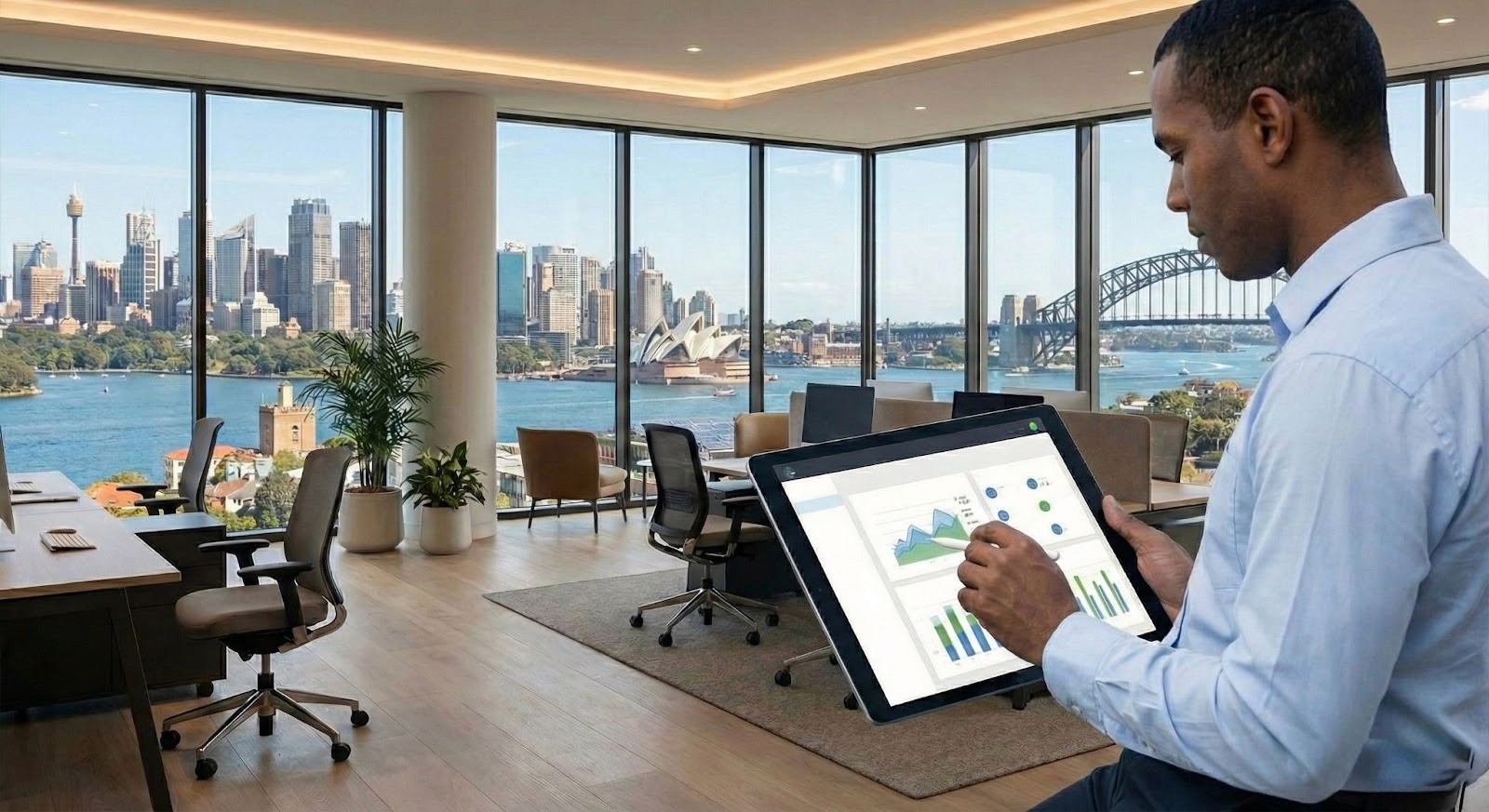
The Evolution of Facility Management in the Australian Market
In recent years, the technological landscape of facility management software in Australia has undergone a fundamental transformation. Facilities managers directors are actively abandoning overly complex software suites that previously dominated the market. The strategic focus of this industry now lies entirely on three core pillars: seamless user experience, uncompromising compliance requirements, and unified stakeholder communication.
For critical areas such as aged care, the National Disability Insurance Scheme (NDIS), and the broader Healthcare network, strict quality and safety frameworks, mean that compliance reviews are more comprehensive and frequent than ever before. Modern facilities management software systems have become the ultimate compliance guarantee for organisations. The software can automatically monitor the Work Health and Safety (WHS) qualifications of contractors, manage the update cycles of key licenses, and detail the circumstances of each preventive safety inspection.
If quality inspectors or safety auditors conduct inspections at a certain facility in Melbourne, Sydney, or Brisbane, the management team will be fully prepared. A detailed and timestamped compliance report can be generated, providing information on whether each critical fire exit door, air conditioning filter system, and emergency lighting circuit has been certified by qualified and licensed professionals.

Successfully Choosing and Implementing a CMMS
Recognising the strategic value of the CMMS is only the first step, the actual ROI of a platform depends entirely on the degree of adoption by end-users. When evaluating software, the procurement team must strictly prioritise intuitive ease of use, that allows external contractors and internal employees to operate it easily without formal training and via their mobile devices. It is equally important to ensure deep local relevance. The platform you select must be able to directly adapt to the legislative framework of Australia and AS/NZS safety standards, and have time-zone-synchronised customer support as a backstop.
Managing facility portfolios requires absolute operational transparency and unified communication capabilities with stakeholders. A modern, enterprise-level CMMS software system is the key infrastructure that connects the passive facility management model of the past with the future, highly proactive and commercially efficient facility portfolio model. By concentrating operations on an intuitive and compliance-oriented platform, facility managers fundamentally transform maintenance work from a passive administrative burden into a strategic, data-driven business advantage.